
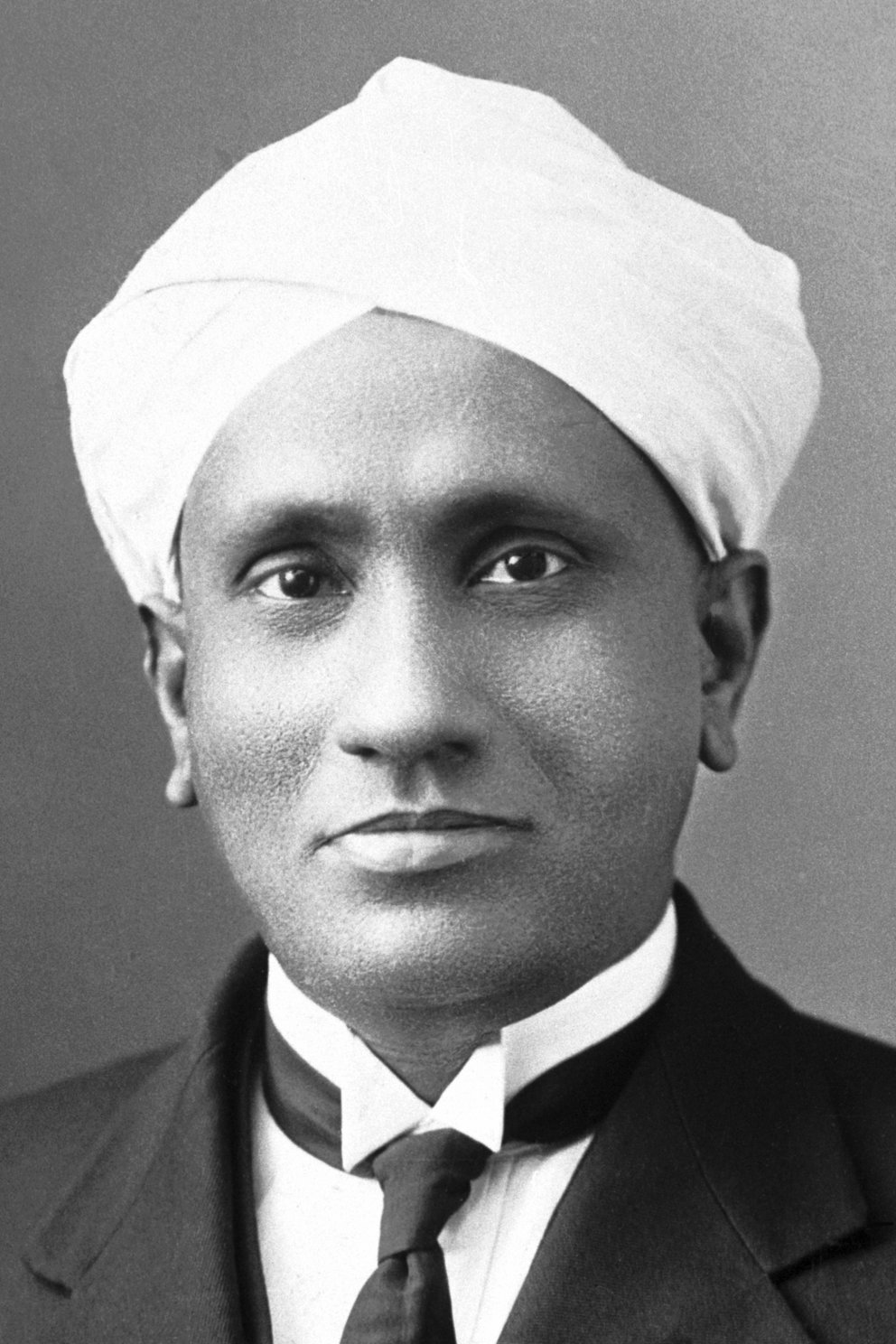

The Boy Who Read Helmholtz at Fourteen
Born into a Tamil Brahmin family, C.V. Raman was surrounded by an atmosphere of scholarship. His father taught mathematics and physics, laying the early foundations for a mind that would soon astonish the world.
By age fourteen, while other children were learning basics, he was already absorbing complex texts like Helmholtz’s works on acoustics and optics. His insatiable curiosity and rigorous intellectual discipline were evident from the start.
The Voyage Across the Mediterranean
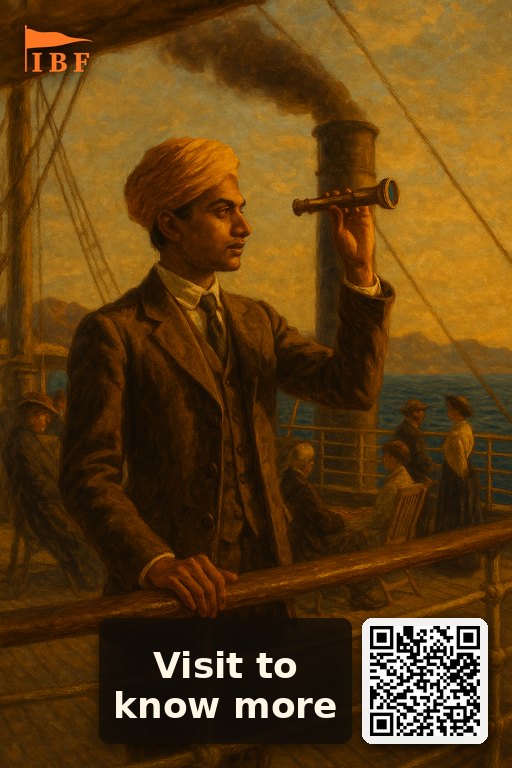
It was a fateful voyage in 1921 across the Mediterranean Sea that set the course for his greatest discovery. Looking at the deep blue waters, he questioned the accepted wisdom that the sea's color was merely a reflection of the sky.
Armed with a simple optical instrument, he demonstrated that the blue color was actually the result of sunlight scattered by the water molecules themselves—a radical insight that challenged existing theories.
Calcutta, 1917
Leaving a secure government job, Raman moved to Calcutta in 1917 to become the Palit Professor of Physics at the University of Calcutta.
He turned a modest laboratory into a world-class research center, attracting brilliant minds and fostering an environment where pure scientific inquiry could thrive against the backdrop of colonial India.
The Spectrometer
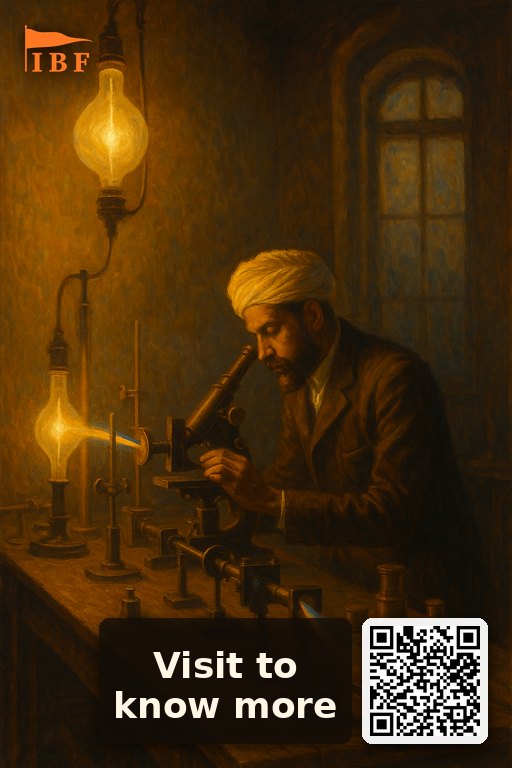
Using equipment that cost barely a few hundred rupees, Raman and his associates built a specialized spectrometer.
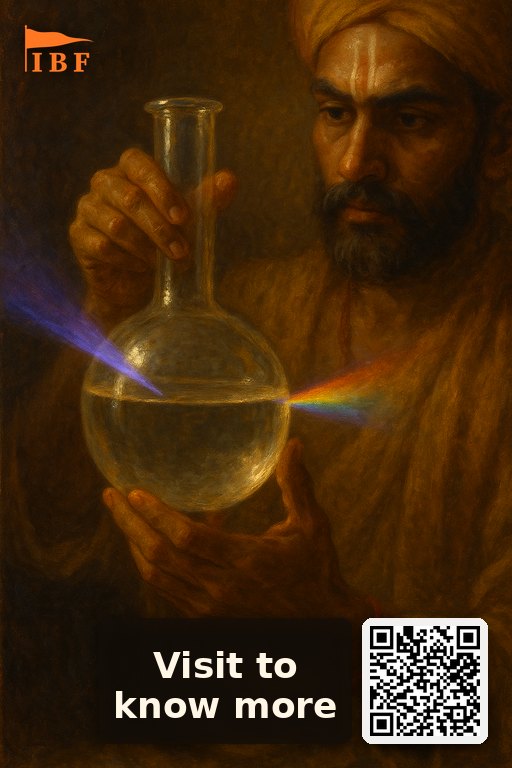
It was with this humble instrument that he proved his theory of light scattering, demonstrating that when light traverses a transparent material, some of the deflected light changes wavelength—a breakthrough that would forever alter the field of optics.
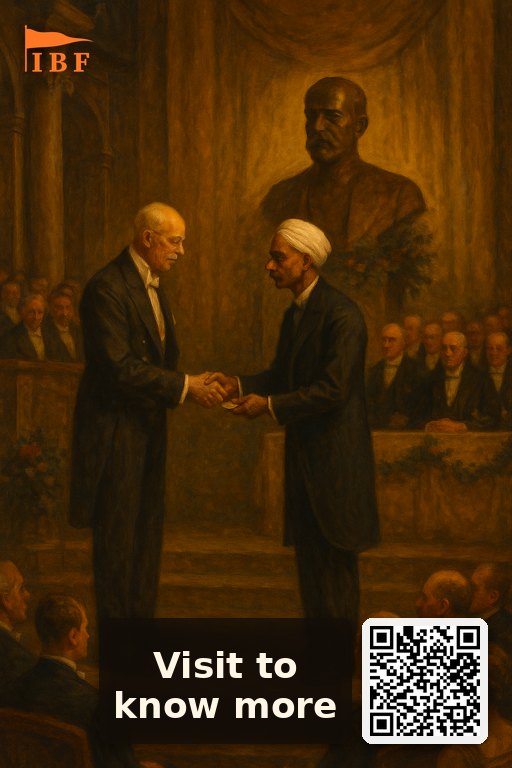
Stockholm, 1930
In 1930, the global scientific community recognized his genius. Sir C.V. Raman was awarded the Nobel Prize in Physics, becoming the first Asian to achieve this honor in the sciences.
It was a moment of profound national pride. An Indian mind, working entirely in India, had unlocked a fundamental secret of the physical universe.
Founding an Indian Science
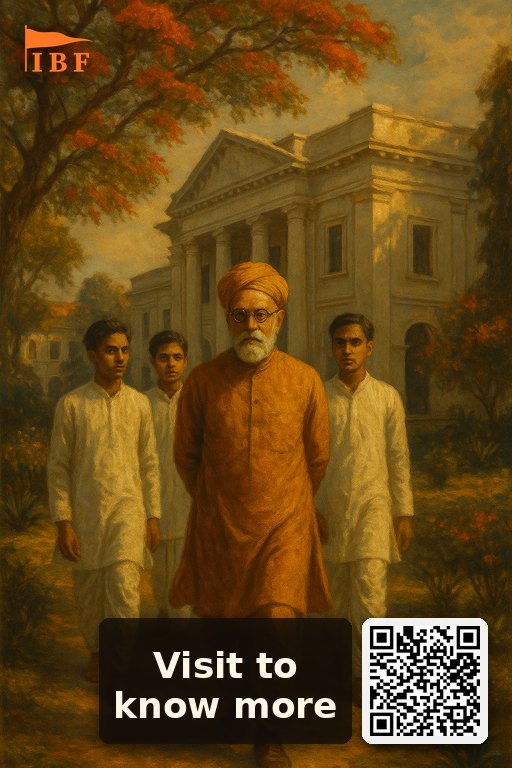
Raman did not rest on his laurels. He returned to India with a mission to build institutions.
He played a pivotal role at the Indian Institute of Science and later founded the Raman Research Institute, dedicating his life to creating spaces where indigenous scientific talent could be nurtured and celebrated independently of western patronage.
Why Raman Scattering Matters
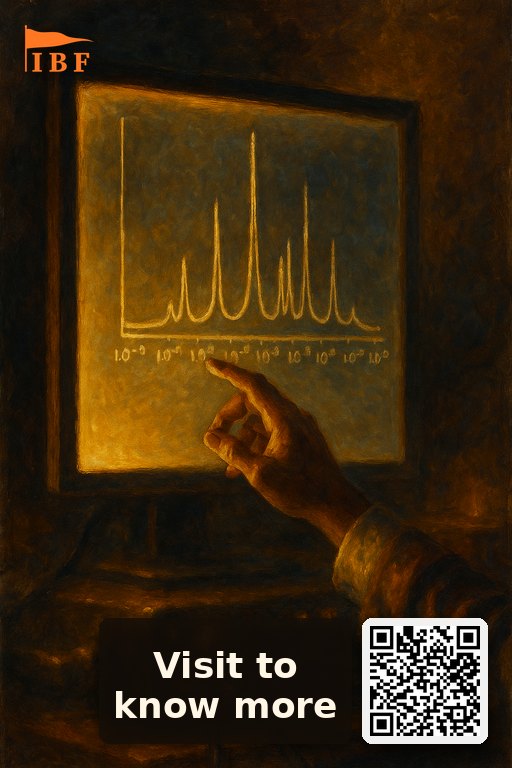
The 'Raman Effect' wasn't just a textbook theory; it became a crucial tool in modern chemistry and physics. Raman Spectroscopy allows scientists to non-destructively identify molecules and study their structural fingerprints.
From pharmaceuticals to nanotechnology, and even space exploration, his discovery continues to illuminate the unseen world, proving that true scientific insight is timeless.