
The Story Tradition Tells
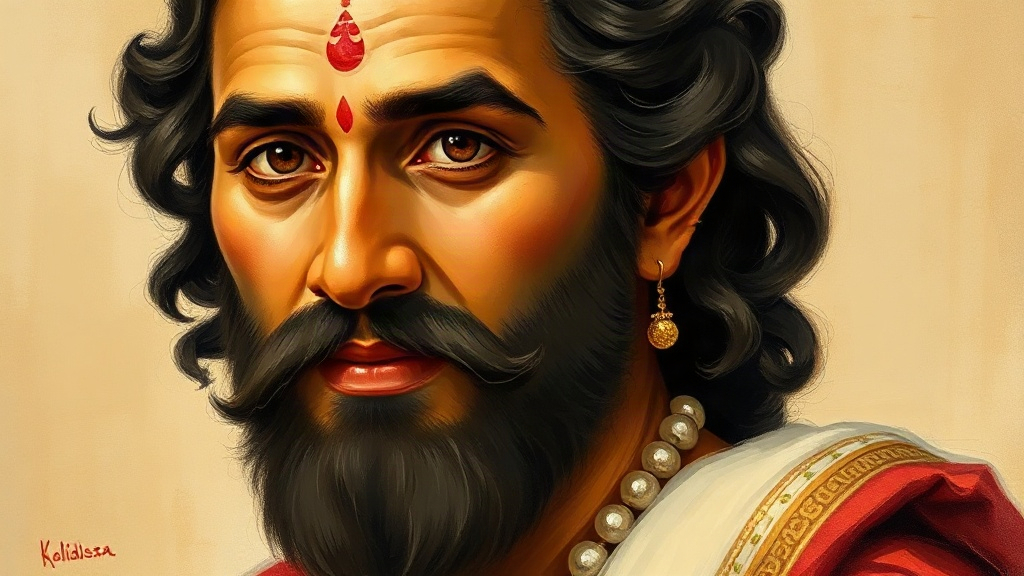
Kalidasa's life is wrapped in legend.
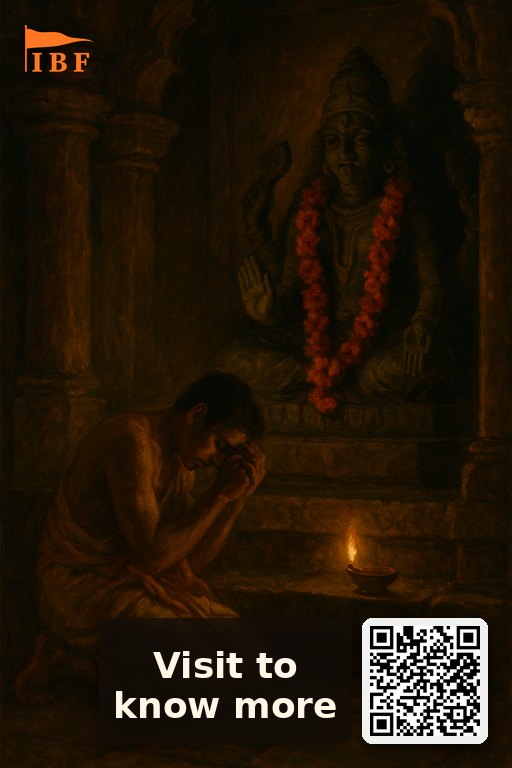
The traditional story says that he was born into a Brahmin family but was not initially known for scholarship. Through the intervention of the goddess Kali, he became a great poet and scholar.
His transformation became one of the most famous stories in Sanskrit literary tradition.
What survives with certainty is his work. His poetry became one of the defining achievements of classical Sanskrit literature and helped establish the literary language of the Gupta age.
Kalidasa's Sanskrit is precise, elegant and extraordinarily visual. Mountains speak. Clouds carry messages. Seasons become characters. Kings become embodiments of dharma.
The Ujjain Court
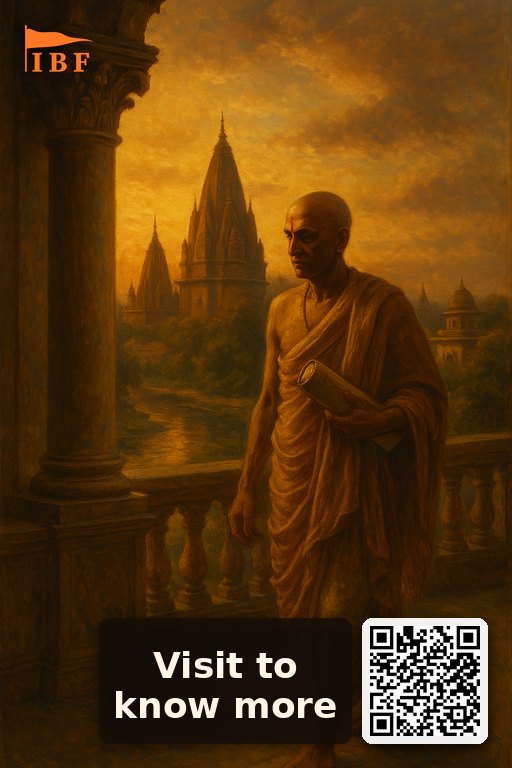
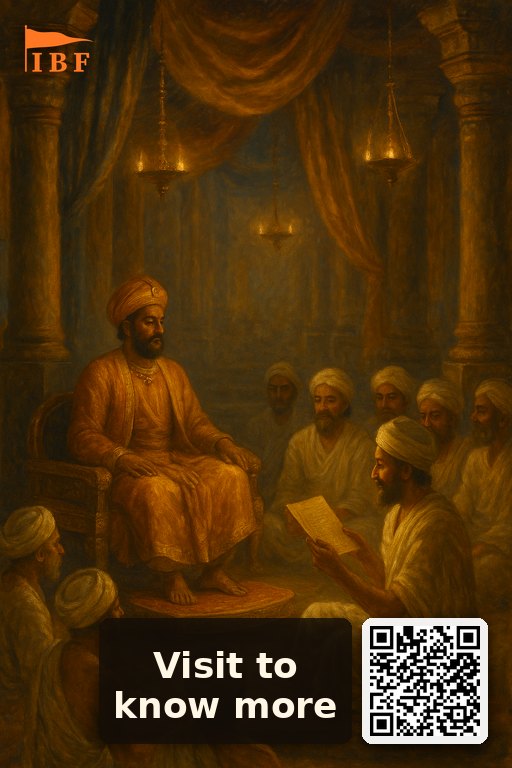
Kalidasa is traditionally associated with the court of Vikramaditya at Ujjain.
Ujjain was one of the great intellectual and cultural centres of ancient India. It was a place where astronomy, mathematics, Sanskrit learning, philosophy and literature flourished.
Tradition places Kalidasa among the celebrated scholars of the royal court.
The historical identity of Vikramaditya is debated, and the exact dates of Kalidasa remain uncertain. But the association between the poet, Ujjain and the Gupta-era cultural world has remained one of the strongest traditions surrounding his life.
His poetry reflects a civilisation confident enough to make Sanskrit into a language of extraordinary literary sophistication.
Shakuntala
Abhijñānaśākuntalam — The Recognition of Shakuntala — is Kalidasa's most famous drama.
The story follows Shakuntala, the daughter of the sage Vishvamitra and the apsara Menaka, and King Dushyanta.
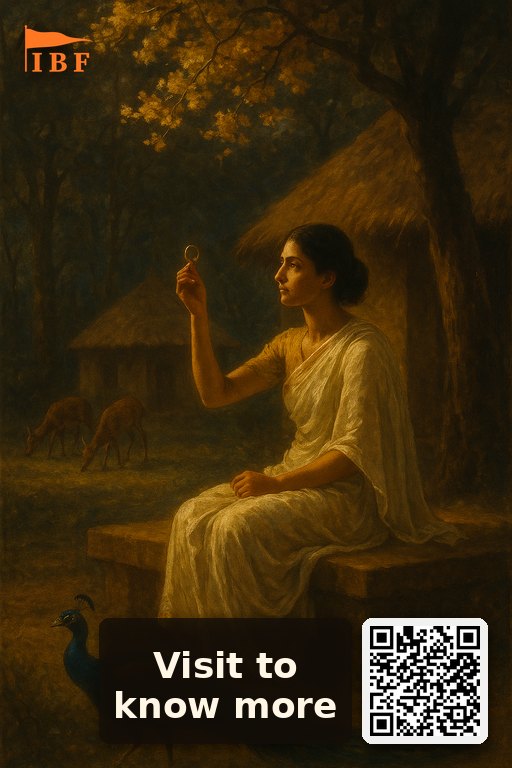
The king meets Shakuntala in the forest. They fall in love and marry through the Gandharva tradition. But a curse causes Dushyanta to forget her.
The lost ring eventually restores his memory, and the story ends with their reunion.
Kalidasa transformed an older story from the Mahabharata into one of the most celebrated dramas in world literature. The play was translated into European languages centuries later and became one of the works through which European readers first encountered the sophistication of Sanskrit literature.
The Cloud-Messenger
Meghadūta — The Cloud-Messenger.
A Yaksha has been exiled from his beloved.
Separated from her by hundreds of miles, he sees a monsoon cloud rising in the sky. He asks the cloud to carry his message.
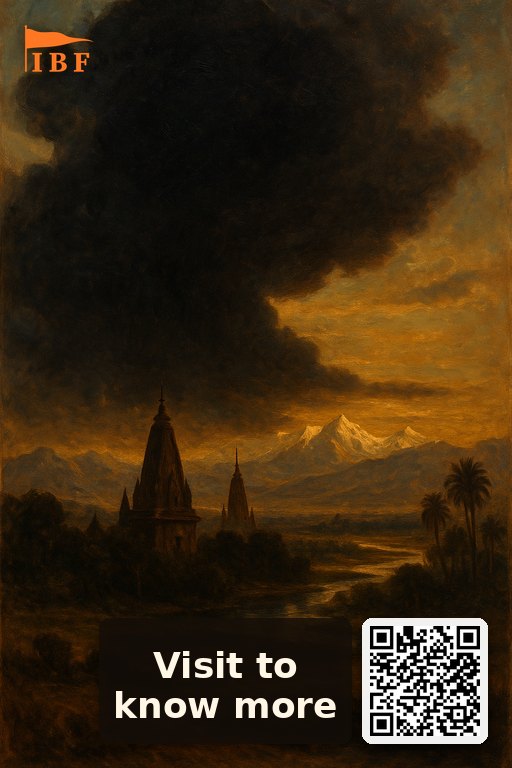
The poem follows the imagined journey of the cloud from central India toward the Himalayas. Mountains. Rivers. Cities. Temples. Forests. Lovers. Rain.
The landscape becomes poetry. The cloud is not simply weather. It becomes messenger, traveller and emotional companion.
Meghadūta is one of the greatest examples of Sanskrit lyric poetry.
The Raghu Dynasty
Raghuvaṃśa — The Dynasty of Raghu.
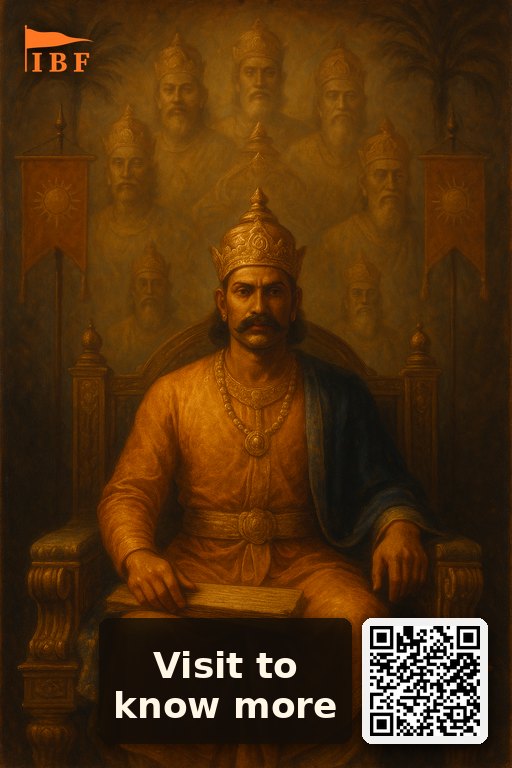
An epic poem describing the legendary kings of the solar dynasty. Among them are Dilipa, Raghu, Aja, Dasharatha and Rama.
Kalidasa presents kingship as a moral responsibility. The ideal ruler is courageous, generous, disciplined and devoted to dharma.
The poem combines political ideals with descriptions of nature, love, war, sacrifice and royal life. It is both a royal genealogy and a meditation on what it means to rule well.
Six Seasons
Ṛtusaṃhāra — The Garland of Seasons.
Kalidasa describes the six Indian seasons:
- Vasanta — Spring
- Grīṣma — Summer
- Varṣā — Monsoon
- Śarad — Autumn
- Hemanta — Pre-winter
- Śiśira — Winter
Each season becomes a world of its own. Flowers bloom. Rivers rise. Peacocks dance. Lovers meet. Heat changes the landscape. Rain transforms the earth.
Nature is never just background in Kalidasa. It is alive, emotional and connected to human experience.
What Gotha Did
Kalidasa's influence did not stop in India.
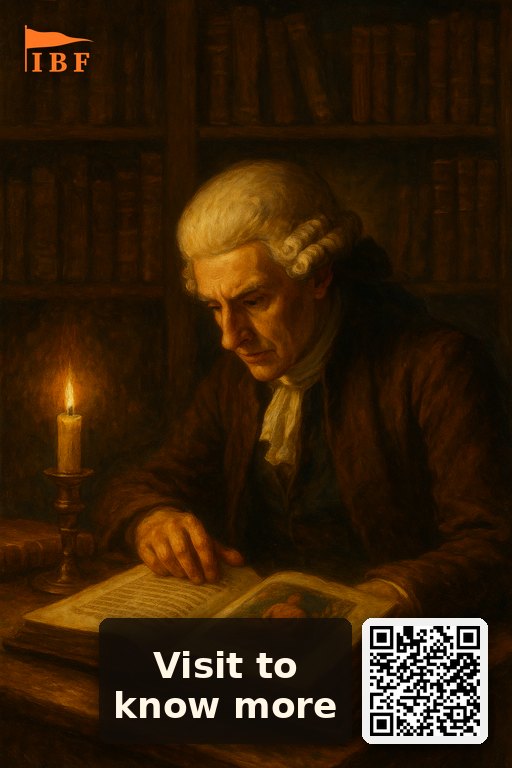
His works eventually reached European scholars through translations of Sanskrit literature. Shakuntala became particularly important in eighteenth-century Europe.
The German writer Johann Wolfgang von Goethe admired the drama and celebrated its beauty.
European Romantic writers and scholars began to recognise Sanskrit literature as one of the world's great literary traditions.
Kalidasa became one of the names through which Europe discovered the depth and sophistication of classical Indian literature.