The Brahmin in the Court
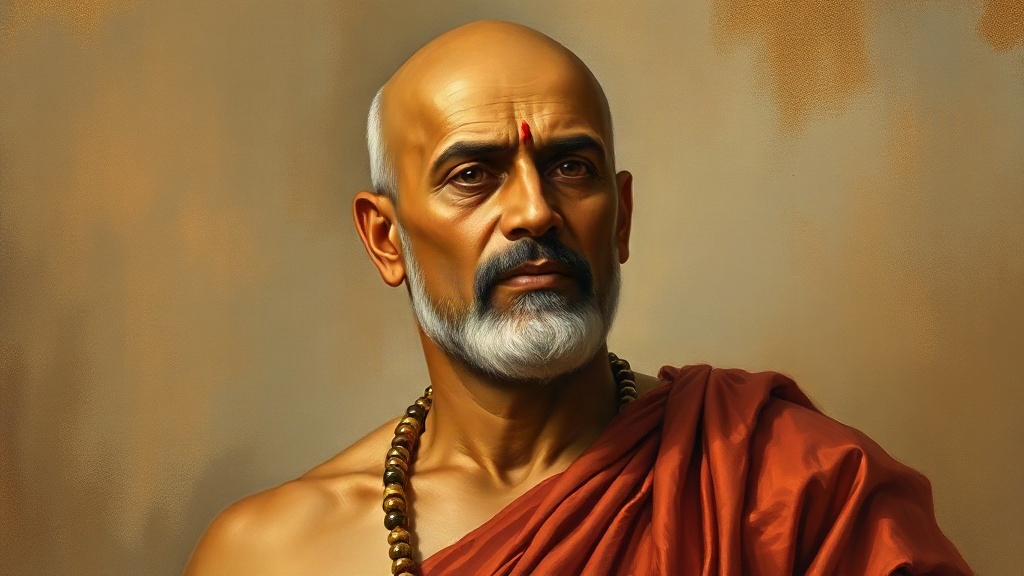
Chanakya entered the court of the Nanda king as a scholar and adviser. He was a Brahmin, trained in the Vedas, logic, statecraft and the duties of a ruler.
The Nanda court was wealthy, powerful and feared. But Chanakya saw something beneath its grandeur — a kingdom weakened by arrogance, corruption and poor leadership.
He spoke plainly. He advised without fear.
The king did not appreciate the Brahmin who refused to flatter him. What happened next would change the course of Indian history.
The Humiliation
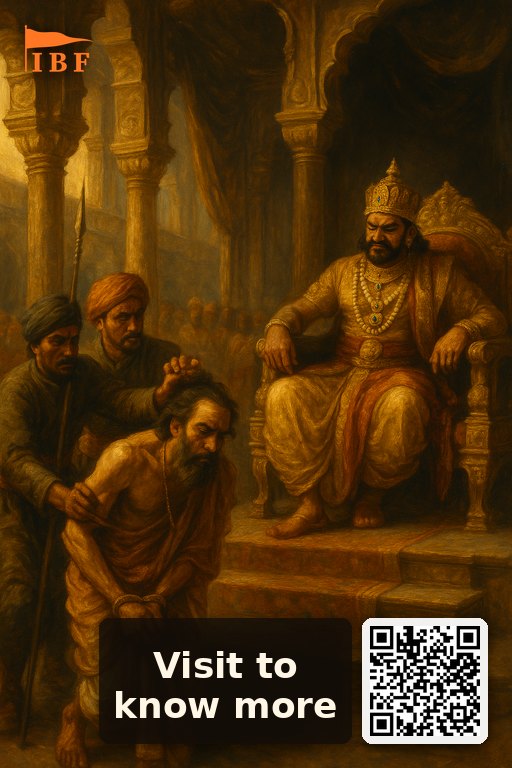
Chanakya was insulted in the court of the Nanda king.
His appearance was mocked. His words were dismissed. And finally, he was humiliated and driven from the royal assembly.
The Brahmin did not forget.
Tradition says that Chanakya loosened his hair and made a vow: he would not tie it again until the Nanda dynasty had been destroyed. A personal insult became a political mission.
He would find the man who could overthrow the Nandas. He would train him. And he would build a new empire.
The Boy in the Forest
Chanakya's vow was not simply revenge. He understood that a kingdom could not be changed by anger alone. It required strategy, discipline, intelligence and a leader capable of uniting the land.
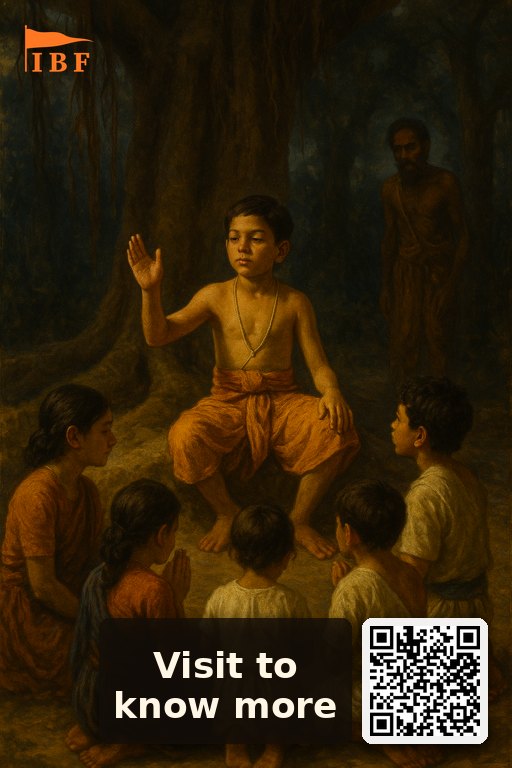
He found a young man named Chandragupta. The boy had courage. He had ambition. But he needed education, discipline and direction.
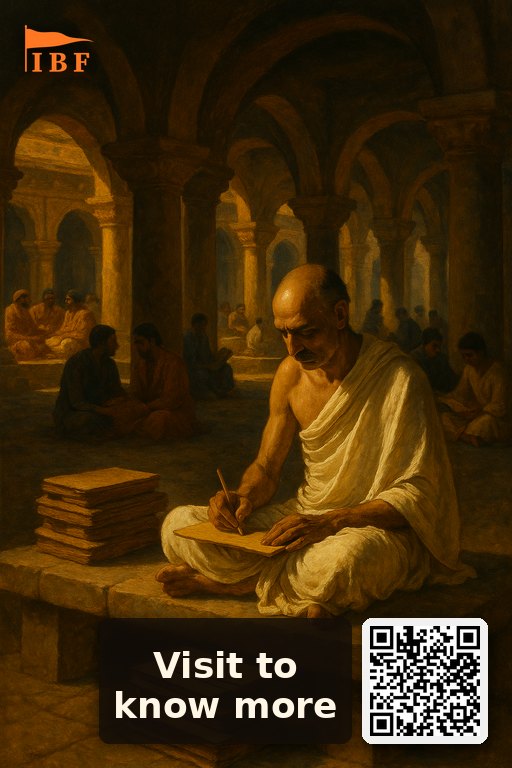
Chanakya trained Chandragupta away from the royal courts. In forests and hidden places, the young prince learned the lessons that would later make him an emperor. He learned warfare. He learned diplomacy. He learned how kingdoms rise and fall.
Chanakya taught him that an army alone could not win an empire. A ruler needed information, alliances, economic strength and the loyalty of his people. The teacher prepared the student for a war that would determine the future of India.
“A kingdom survives through discipline, prosperity,
intelligence and
effective governance.”
The ruler must protect the state and its people.
The Fall of the Nandas
The first attempts to overthrow the Nandas failed. Chanakya did not surrender. He changed his strategy.
Instead of attacking the centre of Nanda power directly, he studied its weaknesses. He gathered allies, built support and patiently expanded Chandragupta's strength.
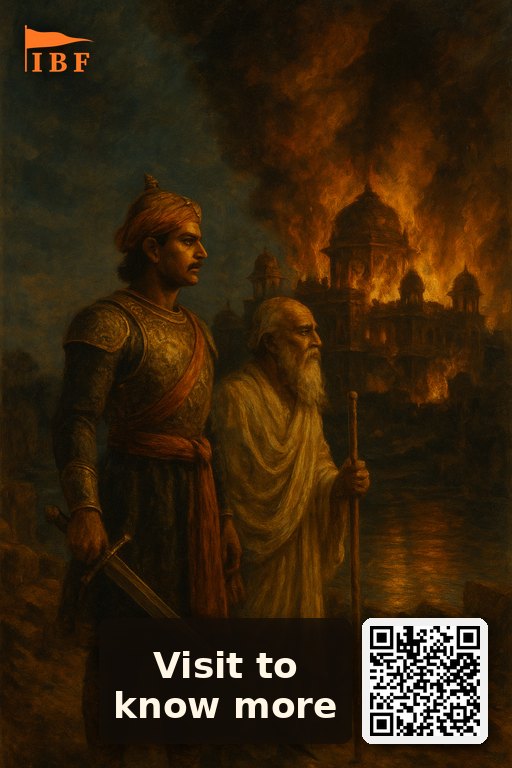
Eventually, the Nanda dynasty fell. Chandragupta Maurya took the throne. The Mauryan Empire was born.
Chanakya had transformed a young student into a ruler and had turned a personal vow into one of the greatest political changes in ancient India.

The Arthashastra
Chanakya is traditionally associated with the Arthashastra — one of the most important works on statecraft, economics, administration, diplomacy and warfare from ancient India.
The text describes the responsibilities of a king, the organisation of government, taxation, agriculture, trade, intelligence networks, law, military strategy and foreign policy.
Its central lesson is practical: A kingdom survives through discipline, prosperity, intelligence and effective governance. The ruler must protect the state and its people.
The Arthashastra became one of the foundational texts of Indian political thought.
An Empire From Persia to Bengal
Under Chandragupta Maurya, the Mauryan Empire expanded across a vast part of the Indian subcontinent.
The empire stretched from the north-western frontier towards the eastern regions of Bengal and across much of northern and central India.
Chanakya's political vision had helped create something larger than the kingdom he had originally opposed. A divided landscape had been brought under a powerful imperial administration.
The Brahmin teacher had become the strategist behind one of India's first great empires.